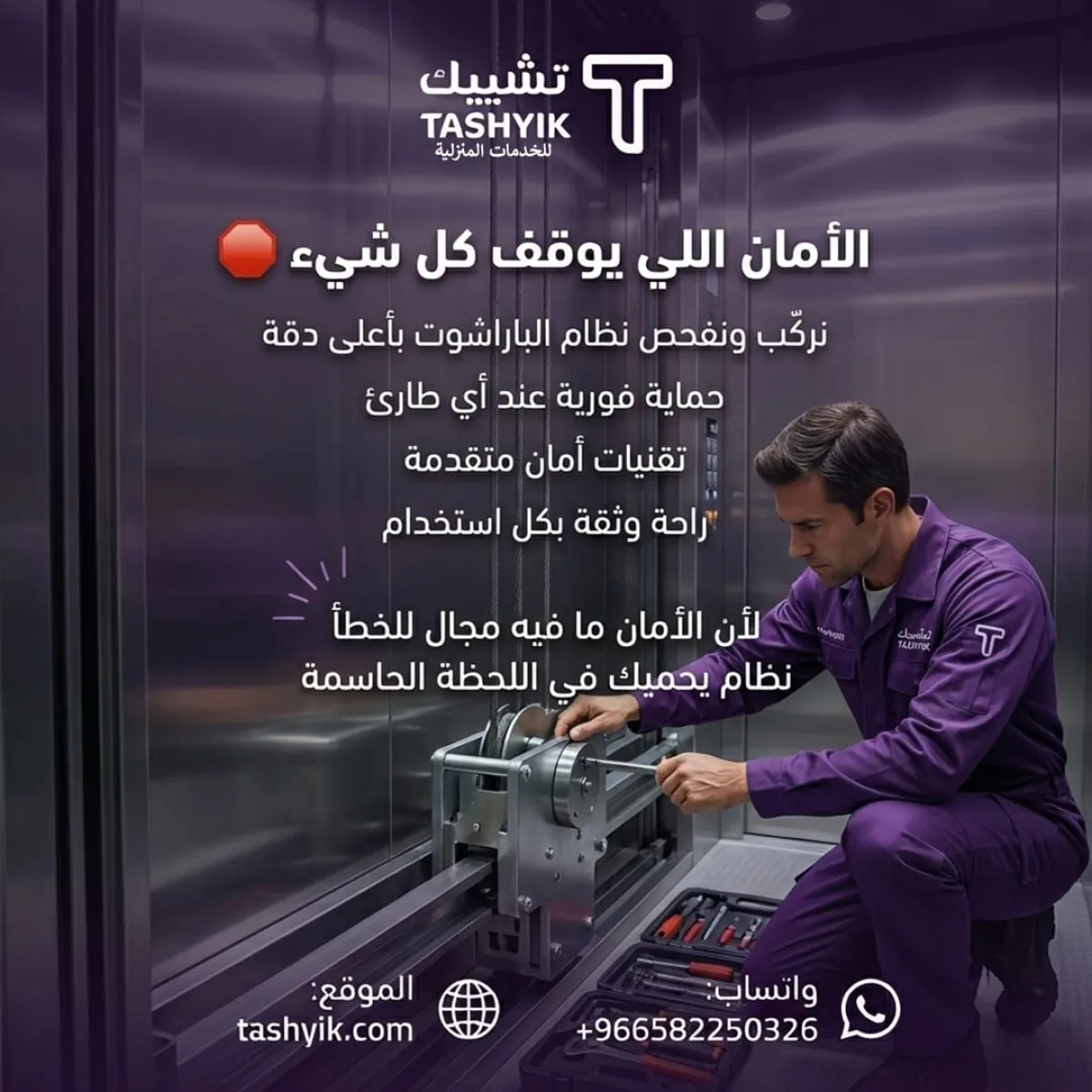
Installation and Inspection of Elevator Parachute System: Ensuring Passenger Safety and Operational Efficiency
The parachute system in elevators is one of the most critical safety mechanisms, protecting passengers and equipment in the event of a sudden cable or motor failure. This system ensures the elevator stops quickly and safely during any abnormal descent, reducing risks and maintaining passenger safety.
What is the Elevator Parachute System?
The parachute system is a safety mechanism designed for elevators that:
- Stops the elevator in case of overspeed or sudden free fall.
- Holds the elevator in place until the malfunction is repaired.
- Protects passengers from injuries and prevents damage to elevator equipment.
It is a mandatory component in global elevator safety standards such as EN 81 and ASME A17.1.
Importance of Installing and Inspecting the Parachute System
- Passenger Protection: Significantly reduces the risk of accidents during operation.
- Equipment Safety: Protects cables, motors, and internal elevator structures.
- Compliance with International Standards: Ensures the elevator meets EN and ASME safety requirements.
- Increased Elevator Lifespan: Regular maintenance and inspection reduce stress on vital components.
Steps to Install an Elevator Parachute System
- Engineering Design: Determine the appropriate type of parachute system according to the elevator's weight and speed.
- Component Selection: Use high-quality valves and parts resistant to corrosion and overload.
- Technical Installation: Accurately install the system according to manufacturer specifications and safety standards.
- Testing and Operation: Verify the system's response to abnormal speeds and inspect all safety components.
- Regular Maintenance: Continuously check mechanisms and connections to ensure immediate performance when needed.
Important Tips for Handling the Parachute System
- Rely on specialized technical teams for installation and inspection.
- Conduct periodic tests according to the manufacturer’s instructions for rapid response.
- Document all installation and maintenance operations for future reference.
- Adhere strictly to international and local safety standards to ensure passenger protection.
If you want, I can also create a condensed professional version suitable for manuals or safety guidelines. Do you want me to do that?